
Subdividing Land: Tips for Landowners from an Investor
Learn to evaluate the risks and rewards of subdividing land into residential lots. This updated 2026 guide — the first in a practical series written from a developer’s and real estate lawyer’s perspective — gives landowners clear, actionable items to evaluate before you start the subdivision process. In the last two years (2024–2026) rising infrastructure costs, new stormwater and climate-adaptive drainage rules, and local zoning updates have changed the economics and approval timelines for many projects; this article highlights those trends and what they mean for your property.
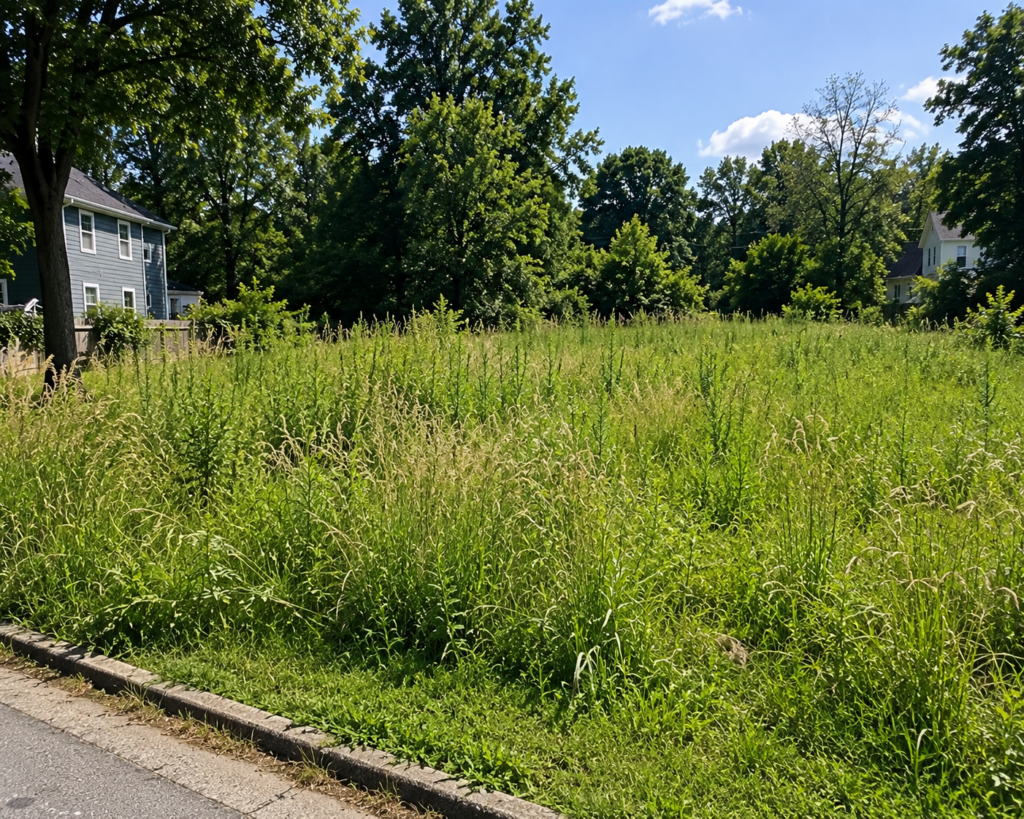
Why read on? Subdividing land can increase the sale value of a property, create flexibility for phased development, or allow you to sell smaller lots while retaining some ownership. But success depends on planning, compliance with subdivision regulations, realistic cost estimates for utilities and roads, and timely plat approval from local government. The goal here is to help you assess whether the potential upside outweighs the costs and risks for your parcel.
What you’ll learn in this article:
- How to run a quick feasibility check for subdividing land — costs, likely number of lots, and typical timelines for 2026.
- The key planning, zoning, and approval steps in the subdivision process and which professionals to hire.
- Practical red flags, a short illustrative cost example, and how to use resources at Acrevalue to move from idea to application.
Quick note: local regulations and requirements vary. Always verify zoning, minimum lot size, access and utility rules with your municipal planning department and consult a real estate attorney for legal questions about easements, deed restrictions, or title issues. For a free 2026 subdivision feasibility check and tailored guidance for your parcel, visit webuyland1.com or use our contact form to share your lot size, location, and preferred number of lots — we’ll respond with prioritized next steps.
Why Subdivide My Land?
Sub·di·vide (v.): to divide into several parts; especially: to divide (a tract of land) into building lots.
Subdividing land remains one of the most direct ways to unlock value from a property: by converting a single parcel into multiple buildable lots you can increase sale proceeds, create smaller, more marketable lots, or phase a land development project over time. In the 2024–2026 period, tighter stormwater rules, higher infrastructure and construction costs, and evolving zoning updates have changed typical pro‑formas — but the core economics still favor subdivision when the uplift in per‑lot sale price exceeds the combined cost of infrastructure, compliance, and entitlement.
Benefits & economics (what you can gain)
- Increased sale value: Smaller lots often sell for a higher combined price than a single large parcel — especially in markets with demand for smaller, affordable lots or estate lots with utilities nearby.
- Flexibility: You can sell lots in phases, retain some for long‑term investment, or build spec homes to capture development margin.
- Better use of infrastructure: Infill parcels with existing road and utility access usually have lower per‑lot infrastructure costs, improving project returns.
Key planning, zoning & regulatory checkpoints
Before you commit to subdividing land, check the following with your municipal planning department and local zoning code — requirements vary by jurisdiction and are decisive in whether a project is feasible:
- Zoning designation & permitted uses: Minimum lot size, setback requirements, and permitted use (single‑family, duplex, etc.) determine how many lots you can legally create.
- Subdivision regulations & plat approval: Local subdivision regulations (and required plat approval processes) set the standards for lot layout, access, and design; many governments require preliminary plat review, public hearings, and final plat recording.
- Development requirements & impact fees: Expect park, school, or sewer impact fees in some areas; these add to per‑lot costs and must be budgeted into your project.
- Easements & deed restrictions: Title restrictions, utility easements, or conservation covenants can limit division options; consult a real estate attorney to review documents.
Site constraints: infrastructure, utilities and drainage
Infrastructure and site constraints are often the largest line items in a subdivision budget. Key items to investigate:
- Access & road requirements: Is there existing legal access? Will you need a new road, upgraded driveway, or to dedicate right‑of‑way? Road construction is a major cost and a common entitlement hurdle.
- Utilities (water, sewer, electric): Are public water and sewer available at the parcel boundary? Extending mains can run $20,000–$100,000+ per lot in rural or partially served areas; septic systems may be allowed but require soils testing and separate permits.
- Drainage & stormwater compliance: Since 2022 many municipalities tightened drainage and floodplain rules; you may need retention/detention, engineered drainage improvements, and documented compliance with local erosion control standards.
- Topography & environmental limits: Slopes, wetlands, and protected areas reduce developable area and can force larger lot sizes or costly mitigation.
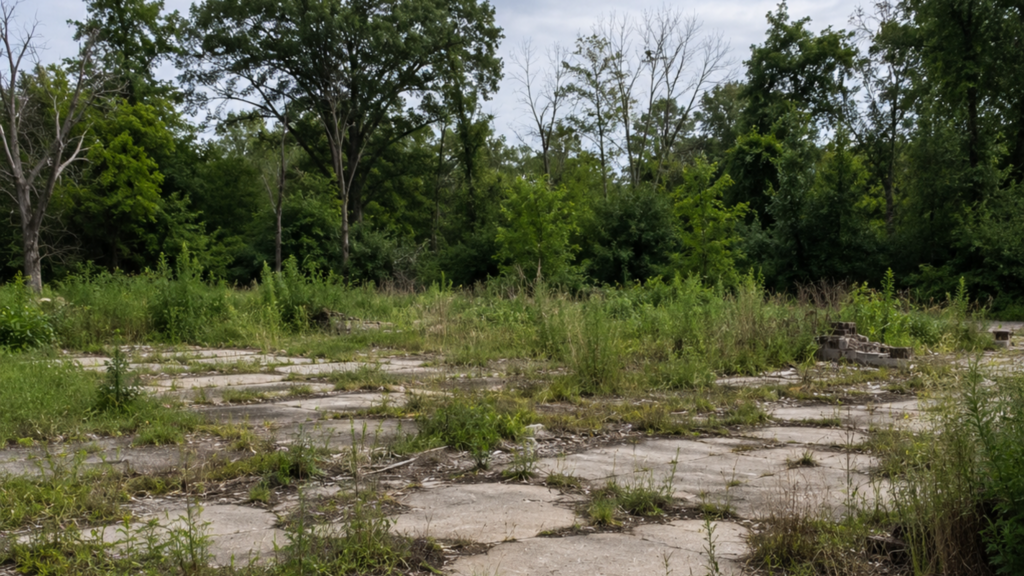
The subdivision process — high level steps (2026)
A typical subdivision project follows a series of defined steps. Timelines vary by locality, but understanding the sequence helps you budget time and costs:
- Feasibility & pre‑application: Quick check of zoning, lot size requirements, and connection options (water, sewer, roads). Engage a surveyor and do a title review for easements and restrictions.
- Concept plan / preliminary plat: Prepare concept plans showing proposed lots, access, and basic drainage strategy; present to planning staff for early feedback.
- Engineering & formal application: Produce engineered plans (grading, drainage, road sections, utility plans) and submit applications, including required documents and fees.
- Public hearings & review: Many jurisdictions require neighborhood notifications and planning commission hearings; expect 1–3 months of review in small towns and longer in metro areas.
- Plat approval & conditions: Approval often comes with conditions (improvements, bonds, or additional studies). Address conditions, obtain permits, and schedule construction.
- Final plat & recordation: After improvements are completed (or bonds posted), record the final plat with the county; only then can lots be sold as separate parcels.
Professionals to hire & risk management
Assemble a team early to reduce surprises:
- Surveyor: Establish boundaries, perform topographic surveys, and prepare the base for plats.
- Civil engineer / site planner: Prepare grading, drainage, road and utility plans to meet subdivision regulations.
- Real estate attorney / estate attorney: Review title, easements, restrictive covenants, and handle plat dedication language and closing documents.
- Planner / land use consultant: Manage the application, public hearings, and negotiate zoning or variance requests when needed.
- Contractor: Provide construction estimates for roads, utilities and stormwater systems; obtain bonding if required.
Illustrative worked example (5‑acre parcel)
This is a simplified example to illustrate order‑of‑magnitude calculations — local numbers will vary:
- Parcel: 5 acres in a suburban fringe location with public water nearby.
- Proposed division: 6 lots (average lot size ~0.75 acre) based on zoning minimums and access layout.
- Per‑lot infrastructure & entitlement costs (illustrative): road construction $25,000, utilities extension $30,000, stormwater/drainage $10,000, permits & fees $5,000 — total per‑lot ≈ $70,000.
- Expected per‑lot sale price (market dependent): $200,000. After infrastructure, holding, and soft costs the developer/owner margin remains positive in this scenario, but only if zoning allows six lots and no expensive mitigations are required.
Note: This example is illustrative only — always run a detailed pro‑forma tied to local costs and consult a real estate attorney and civil engineer before relying on these numbers.
Common red flags and pitfalls
- No legal access or conditional access easements that could be revoked — never assume access is available without title and government confirmation.
- Insufficient soils for septic if public sewer is not available — soils reports and percolation tests are essential.
- Significant wetlands, steep slopes, or floodplain designation that reduce usable area or require mitigation.
- Underestimating time for government review — delayed approvals increase carrying costs and can sink project returns.
If you want help running numbers for your specific parcel or need a feasibility checklist, webuyland1.com offers a subdivision feasibility review and downloadable resources that map the local subdivision regulations, typical infrastructure cost ranges, and a sample application checklist. Always verify zoning, application requirements, and plat approval procedures with your local planning office and consult a real estate attorney for legal matters related to easements, title, and deed restrictions.
Next steps: Start with a quick feasibility check — confirm zoning and minimum lot sizes, order a survey, and reach out to a civil engineer for a preliminary site assessment. For a guided feasibility review tailored to your parcel, visit webuyland1.com/contact and provide your parcel location, lot size, and development goals.
Conclusion
Subdividing land can be a high‑reward strategy to unlock value from a property, but it requires disciplined planning, accurate cost estimates for infrastructure, and close attention to local planning and subdivision regulations. The 2024–2026 shifts in stormwater, drainage, and zoning practices make early feasibility work and professional advice more important than ever.
- Do a quick feasibility check first: confirm zoning, minimum lot sizes, and whether public utilities are available at the parcel boundary.
- Order a survey and title review: identify easements, deed restrictions, and legal access before designing lots or spending on engineering.
- Budget for infrastructure & compliance: include road, utility extension, stormwater/drainage, permit fees and potential impact fees in your pro‑forma.
- Assemble the right team early: surveyor, civil engineer, planner, and a real estate attorney (or estate attorney) will reduce entitlement risk and speed approval.
- Plan for timing: application, reviews, public hearings, conditions and plat approval can take months — factor carrying costs into your project budget.
Next step: get a tailored 2026 subdivision feasibility review. Visit webuyland1.com to download our Subdivision Feasibility Checklist, submit your parcel details, or request a free initial consultation. When you contact us, include: parcel size, location (county/municipality), current zoning, and your target number of lots to help us provide focused guidance faster.
Legal note: this article provides general information and does not replace legal advice. Because subdivision rules, approval processes, and requirements vary by jurisdiction, consult a local real estate attorney to confirm compliance, review documents, and handle plat application language and deed matters.
More in this series: Look for Part 2 — “A Step‑by‑Step Guide to the Subdivision Process (2026)” and Part 3 — “Managing Infrastructure Costs and Approvals” at webuyland1.com (links and exact pages updated for 2026).
Ready To Sell Your Land? Start Here…
We are direct land buyers. There are no commissions or fees and no obligation whatsoever. Start below by sharing where your property is and where we can send your offer…
"*" indicates required fields

And if you would rather talk it through, call us anytime at (404) 913-7086 to discuss your land and back taxes in person.