Have you ever wondered if you still hold the power to change your financial destiny once the bank starts the legal process of taking your property? Many homeowners feel trapped when they fall behind on mortgage payments, yet taking immediate action remains your best defense against losing everything.

Understanding your rights is the first step toward regaining control. While the situation feels overwhelming, you are not powerless. You can sell your property to settle debts and protect your credit score before the bank completes the auction process.
This guide provides a clear roadmap to help you navigate these difficult waters. By acting quickly, you open doors to legal and financial solutions that mitigate long-term damage. You deserve to move forward with confidence rather than succumbing to panic.
Key Takeaways
- Acting fast is essential to stop the legal process and save your credit.
- Selling the property remains a viable option even after receiving official notices.
- Consulting with real estate experts helps you understand your specific equity position.
- Communication with your lender often reveals alternative repayment plans or grace periods.
- Prioritizing a quick sale prevents the devastating impact of a completed bank auction.
Understanding the Foreclosure Process
Navigating the complexities of home ownership requires a clear understanding of what happens when mortgage payments stop. The path toward mortgage default is a structured legal journey that every homeowner should understand to protect their interests. By demystifying these legal milestones, you can identify exactly where you stand and what options remain available to you.
The Timeline of Default
The process typically begins after a single missed payment, though lenders rarely initiate formal action immediately. Most mortgage agreements include a grace period, usually lasting 15 days, before a late fee is applied. If the account remains unpaid for 30 to 90 days, the lender will send formal notices to alert you of the delinquency.
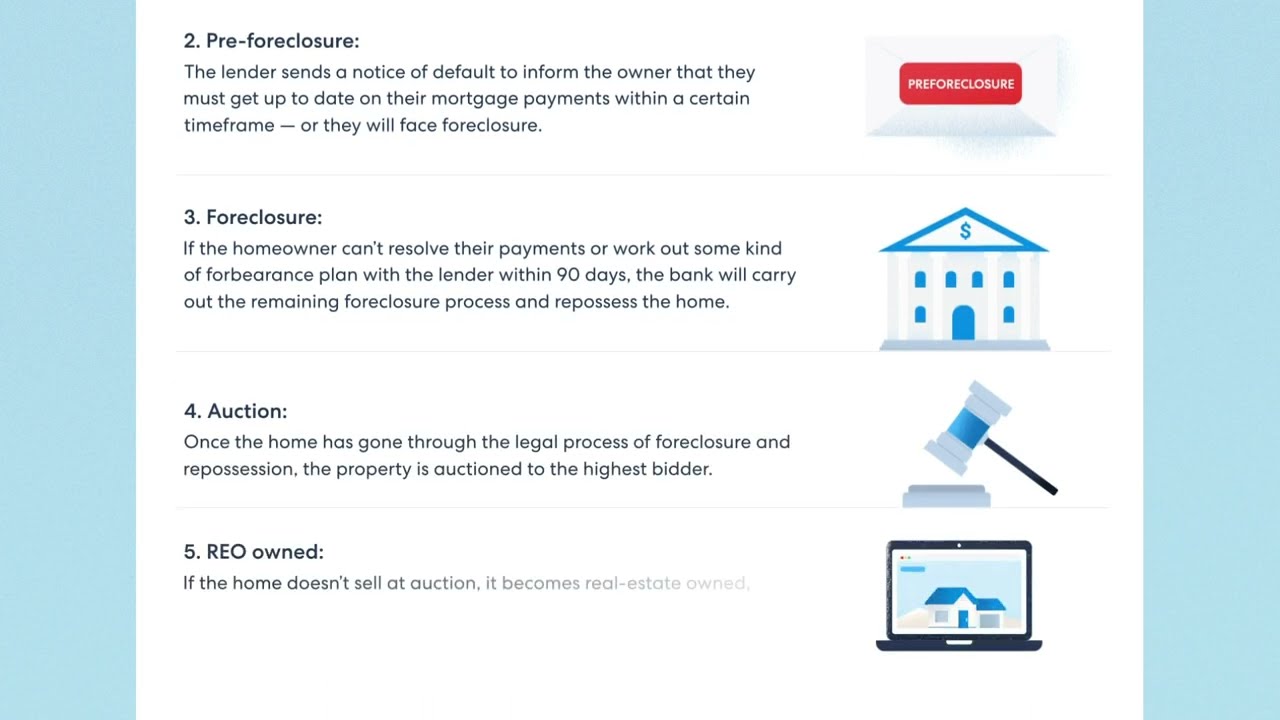
Once the account is significantly past due, the lender issues a Notice of Default (NOD). This document is a public record that officially signals the start of the foreclosure process. It serves as a formal warning that the lender intends to pursue legal action if the debt is not satisfied or a repayment plan is not established.
Distinguishing Between Pre-Foreclosure and Active Foreclosure
It is vital to recognize the difference between the pre-foreclosure phase and active foreclosure. During pre-foreclosure, you still hold the legal title to your home. This window provides a critical opportunity to sell the property, negotiate with your lender, or seek financial assistance before the bank takes further action.
In contrast, active foreclosure often involves court intervention or a scheduled auction date. Once the process moves into this stage, the lender is actively working to reclaim the property through legal channels. Understanding this distinction is essential for any homeowner looking to sell before the bank takes possession of the property.
| Feature | Pre-Foreclosure | Active Foreclosure |
|---|---|---|
| Homeowner Status | Retains legal title | Title transfer in progress |
| Legal Standing | Delinquent but manageable | Court or auction proceedings |
| Selling Options | High flexibility | Limited and time-sensitive |
| Primary Goal | Avoid public auction | Mitigate credit damage |
Can I Sell My House If Its In Foreclosure?
You might be surprised to learn that selling your home during the foreclosure process is a viable option. Many homeowners mistakenly believe that once a notice is filed, they have lost all control over their property. In reality, selling your home can often be the best way to protect your financial future and avoid the long-term damage of a completed foreclosure.
If you are asking, “can i sell my house if its in foreclosure,” the answer is yes, provided you act quickly and maintain open communication with your lender. Banks are generally not in the business of owning homes; they are in the business of lending money. Therefore, they are often willing to work with you to find a solution that avoids the expense of a public auction.
The Reality of Selling with a Lis Pendens
When a lender begins the legal process, they typically file a lis pendens. This is a public notice that a lawsuit is pending against your property. It serves as a warning to potential buyers and title companies that the property is currently involved in legal action.
Dealing with a lis pendens can complicate the closing process, as it creates a cloud on the title. However, it does not make a sale impossible. You must work closely with a title company to ensure that the proceeds from the sale are used to satisfy the outstanding debt, which will then allow the lender to release the lien.
“Communication is the bridge between a potential foreclosure and a successful property sale. Lenders are often more flexible than you think if you present a clear plan.”
— Real Estate Financial Advisor
Why Lenders May Allow a Sale
Lenders often prefer a voluntary sale over the costly and time-consuming process of a formal foreclosure auction. When you ask, “can you sell your house while in foreclosure,” you are essentially proposing a path that saves the bank significant resources. The bank avoids the costs of property maintenance, legal fees, and the uncertainty of an auction sale.
The following table highlights why a voluntary sale is often mutually beneficial for both the homeowner and the mortgage servicer:
| Feature | Voluntary Sale | Foreclosure Auction |
|---|---|---|
| Cost to Lender | Minimal | High (Legal/Maintenance) |
| Timeframe | Controlled | Lengthy/Uncertain |
| Credit Impact | Less Severe | Severe Damage |
| Outcome | Debt Satisfied | Potential Deficiency |
By aligning your goals with those of the bank, you can often secure the time needed to list your home on the open market. Proactive engagement is the key to turning a difficult situation into a manageable transaction.
Selling a Home in Pre-Foreclosure
Selling a home in pre-foreclosure requires a proactive approach to avoid the devastating impact of an auction. When you face the possibility of losing your property, time becomes your most valuable asset. Taking decisive steps early can help you navigate this difficult period with more control.
Advantages of Acting Before the Auction
The primary benefit of initiating a sale early is the preservation of equity. Once a property reaches the auction block, the sale price is often dictated by the lender’s debt rather than the actual market value. By selling on your own terms, you are more likely to walk away with a portion of your investment intact.
Furthermore, acting quickly helps protect your credit score from the severe damage associated with a formal foreclosure filing. A voluntary sale is viewed much more favorably by future lenders than a completed foreclosure. Taking control of the process allows you to move forward with your financial life much sooner.
Preparing Your Home for a Quick Sale
When you are selling a home in pre-foreclosure, speed is the most critical factor. You must make your property stand out to potential buyers who are looking for a smooth transaction. Efficiency in your preparation can be the difference between a successful closing and a missed deadline.
Staging for Speed
You do not need a massive budget to make your home look appealing. Focus on decluttering every room to create a sense of space and cleanliness. Use neutral paint colors to help buyers visualize themselves living in the home, which often leads to faster offers.
Pricing Strategies for Distressed Properties
Setting the right price is a delicate balance between your need for a quick exit and the desire to maximize value. Research comparable sales in your neighborhood to ensure your listing is competitive. Pricing your home slightly below market value can generate immediate interest and potentially spark a bidding war, which is ideal when time is of the essence.
Legal and Financial Implications of Selling During Foreclosure
When you decide on selling property in the foreclosure process, understanding your financial standing is the first step. The financial landscape can feel overwhelming, but breaking it down into manageable parts helps you maintain control. You must look closely at your current mortgage balance and the total amount required to satisfy the lender.
Understanding Equity and Mortgage Payoffs
Calculating your actual equity is not as simple as subtracting your loan balance from the sale price. You must account for the total mortgage payoff, which includes the principal balance, accrued interest, and any late fees. Furthermore, lenders often add legal costs and administrative fees incurred during the default period to the final payoff amount.
It is vital to request a formal payoff statement from your lender early in the process. This document provides a clear picture of the exact funds needed to clear the debt and release the lien on your property. Knowing these numbers allows you to determine if you have enough equity to cover the sale costs and potentially walk away with some funds.
The Role of Title Companies and Liens
A successful transfer of ownership requires a clean title, which is where title companies become essential. When you are selling property in the foreclosure process, the title company performs a thorough search to identify any outstanding liens. These might include tax liens, contractor claims, or secondary mortgages that could block the sale.
The title company acts as a neutral third party to ensure all financial obligations are settled before the deed changes hands. They work to clear these clouds on the title, ensuring that the buyer receives a clear and marketable property. By coordinating with your lender and the title company, you can navigate these financial hurdles and ensure the sale proceeds are handled legally and efficiently.
How Do I Stop a Foreclosure on My Home?
If you are wondering how do i stop a foreclosure on my home, the first step is to take immediate, decisive action. Ignoring notices from your lender will only accelerate the legal process and limit your available options. By engaging early, you demonstrate a commitment to resolving the debt, which can often lead to more favorable outcomes.
Communication Strategies with Your Mortgage Servicer
The most critical step in this process is maintaining open and honest communication with your mortgage servicer. Do not wait until you have missed multiple payments to reach out. Contact their loss mitigation department as soon as you realize you are facing financial hardship.
When you speak with a representative, be prepared to explain your situation clearly. Provide documentation regarding your income, expenses, and the specific event that caused your financial setback. This transparency helps the lender understand your unique circumstances and may help you determine how do i save my home from foreclosure more effectively.
Utilizing Grace Periods and Forbearance
Many lenders offer temporary relief programs designed to help homeowners get back on their feet. A forbearance agreement allows you to pause or reduce your monthly mortgage payments for a set period. This is not a permanent solution, but it provides the necessary breathing room to stabilize your finances or prepare your home for a sale.
Understanding the difference between various relief options is essential for making an informed decision. The following table outlines common methods used to manage mortgage distress:
| Option | Primary Benefit | Best For |
|---|---|---|
| Forbearance | Temporary payment pause | Short-term financial hardship |
| Loan Modification | Permanent rate or term change | Long-term affordability issues |
| Repayment Plan | Catch up on missed payments | Temporary income disruption |
By utilizing these tools, you can effectively halt the momentum of the foreclosure process. Taking these steps creates a vital window of opportunity to either catch up on your obligations or successfully list your property on the market. Always ensure that any agreement reached with your lender is provided in writing to protect your interests.
Working with Real Estate Professionals
When your property faces foreclosure, the right real estate professional becomes your most valuable asset. Selling a home under financial pressure involves complex legal and financial hurdles that standard agents may not be equipped to handle. Hiring an expert who understands the nuances of distressed properties can significantly improve your chances of a successful sale.

Finding Agents Experienced in Distressed Sales
You should look for agents who specifically advertise experience with short sales and pre-foreclosure listings. These professionals understand how to communicate effectively with mortgage servicers and can often expedite the approval process for a sale. Their familiarity with the local market and the specific requirements of lenders is crucial for protecting your interests.
Ask potential candidates about their track record with similar cases in your area. A qualified agent will have a network of contacts, including title companies and legal experts, who can help navigate the unique challenges of your situation. Do not hesitate to request references or examples of how they have managed distressed transactions in the past.
Disclosing the Foreclosure Status to Potential Buyers
Transparency is a fundamental requirement when selling a home in any stage of default. You must be honest about the foreclosure status to avoid future legal complications and to maintain the integrity of the transaction. Full disclosure helps build trust with potential buyers, which is essential when time is of the essence.
Your real estate agent will guide you on how to properly document these disclosures according to state laws. By being upfront, you prevent misunderstandings that could cause a buyer to walk away at the last minute. Clear communication ensures that all parties are aware of the timeline and the specific conditions of the sale, leading to a smoother closing process.
Exploring Alternatives to a Traditional Sale
When you are searching for answers on how can i save my home from foreclosure, it is important to realize that a standard market listing is not your only path. Sometimes, the timeline or the financial gap between your debt and the home value makes a traditional sale impossible. In these cases, lenders may be willing to discuss specific settlement programs that prevent the long-term damage of a formal foreclosure.
Understanding Short Sales
A short sale occurs when your mortgage lender agrees to accept a payoff amount that is less than the total balance remaining on your loan. This process is often a strategic move for both parties. It allows the lender to avoid the high costs of the legal foreclosure process while giving you a way to exit your mortgage without a total loss of credit standing.
To qualify for a short sale, you must typically prove financial hardship. You will need to provide documentation showing that you can no longer afford the monthly payments. Once approved, the property is sold to a third party, and the proceeds are paid directly to the lender to satisfy the debt.
The Mechanics of a Deed in Lieu of Foreclosure
If a sale is not possible, a Deed in Lieu of Foreclosure serves as a voluntary alternative. In this scenario, you agree to transfer the property title directly to your lender. By doing so, you effectively hand over the keys to satisfy the outstanding mortgage debt in full.
This option is often faster than a traditional foreclosure and can be less damaging to your credit report. Consider these key differences when evaluating your options:
- Short Sale: Requires finding a buyer and navigating the real estate market.
- Deed in Lieu: Involves a direct transfer of ownership to the bank.
- Credit Impact: Both options are generally viewed more favorably than a completed foreclosure.
Ultimately, knowing how can i save my home from foreclosure involves proactive communication with your financial institution. Whether you choose a short sale or a deed in lieu, taking action early is the best way to protect your financial future.
Managing Your Credit During the Foreclosure Process
While the threat of losing a home is overwhelming, understanding the long-term credit implications is essential for your future. Financial stability often feels out of reach during a housing crisis, but proactive management can make a significant difference. By taking control of your financial narrative now, you can lay the groundwork for a faster recovery later.
The Impact of Foreclosure on Credit Scores
A foreclosure is one of the most damaging events that can appear on your credit report. It typically results in a substantial drop in your credit score, often ranging from 100 to 200 points depending on your previous history. This negative mark signals to future lenders that you have defaulted on a major financial obligation.
The consequences of this record extend far beyond your mortgage. You may find it difficult to secure new housing, obtain credit cards, or even qualify for auto loans at reasonable interest rates. This impact can linger on your credit report for up to seven years, making it a hurdle that requires patience and discipline to overcome.

Steps to Mitigate Long-Term Credit Damage
Although the damage to your credit can be severe, you are not entirely powerless. Taking specific, calculated steps can help you limit the long-term fallout and begin rebuilding your financial health sooner rather than later.
Consider these strategies to protect your credit standing during this difficult transition:
- Communicate with your creditors: Reach out to other lenders to explain your situation before you miss payments, as they may offer temporary relief.
- Ensure accurate reporting: If you sell your home, verify that the sale is reported correctly to the credit bureaus as “paid in full” or “settled” rather than a foreclosure.
- Monitor your credit reports: Regularly check your reports from Equifax, Experian, and TransUnion to ensure no errors are compounding the damage.
- Prioritize essential bills: Even if you are struggling with your mortgage, try to keep other accounts current to maintain a positive payment history elsewhere.
Consistency is key when you are working to repair your financial reputation. By staying organized and keeping a close eye on your credit activity, you can navigate this transition with a clearer path toward future stability.
Negotiating with Your Lender
If you are wondering how do I stop foreclosure on my house, the answer often lies in proactive and transparent negotiation. Lenders generally prefer to avoid the lengthy and costly process of taking back a property through legal channels. By demonstrating a clear intent to sell, you can often align your goals with those of your mortgage servicer.
Establishing a line of communication early is essential for success. When you approach your lender with a professional attitude, you show that you are taking responsibility for the situation. This can lead to more favorable outcomes as you work toward a resolution.
Requesting a Payoff Statement
A formal payoff statement is a critical document that outlines the exact amount required to satisfy your mortgage debt. You must request this from your lender as soon as you decide to list your home. This document provides the precise figures needed for your title company to calculate net proceeds accurately.
Without an updated payoff statement, you risk delays that could jeopardize your sale. Ensure that the statement includes all interest, late fees, and legal costs associated with the default. Having this information ready allows you to be fully transparent with potential buyers and their agents.
Seeking Extensions to Facilitate a Sale
If you have a serious buyer in the pipeline, you may need more time to close the deal. You can formally request an extension from your lender to pause the foreclosure timeline. Lenders are often willing to grant these extensions if they see a signed purchase agreement and proof of a pending closing date.
When asking for more time, provide your lender with consistent updates regarding the status of the sale. Showing that you are actively working to resolve the debt is the best way to learn how do I stop foreclosure on my house effectively. Persistence and documentation are your strongest tools during these negotiations.
Common Pitfalls to Avoid When Selling
Selling your property under duress is a high-stakes process that demands vigilance against common pitfalls. When you are facing the pressure of a looming deadline, it is easy to feel overwhelmed by the complexity of the situation. Taking a moment to understand the risks can help you protect your remaining equity and your financial future.
Avoiding Foreclosure Rescue Scams
Financial distress often makes homeowners vulnerable to predatory actors who promise miracle solutions. These scammers frequently reach out with unsolicited offers to “save” your home from the auction block. They may claim to have special relationships with lenders or offer to pay off your mortgage in exchange for an upfront fee.
You should be extremely wary of anyone who asks for payment before providing services or requests that you sign over the deed to your property. Legitimate professionals will never ask you to transfer your title to them as a condition of assistance. Always verify the credentials of any company or individual offering help by checking with the Better Business Bureau or your state’s attorney general office.
The Dangers of Underpricing Your Property
The urgency to stop a foreclosure often leads homeowners to accept the first offer they receive, regardless of the price. While a quick sale is a common goal, rushing the process can result in a significant loss of hard-earned equity. Accepting an offer that is far below market value may leave you with little to no funds after your mortgage balance and closing costs are paid.
It is vital to obtain a professional comparative market analysis to understand the true value of your home. Even in a distressed situation, pricing your home competitively ensures that you maximize your return. Do not let the fear of the auction process force you into a decision that leaves you in a worse financial position than when you started.
Conclusion
Facing a potential loss of your home requires immediate action and a clear strategy. You hold the power to influence the outcome by staying informed and engaging with your lender early.
Whether you choose a traditional sale, a short sale, or a deed in lieu of foreclosure, your proactive approach protects your long-term interests. Each path offers a way to minimize credit damage and regain your financial footing.
Seek guidance from trusted real estate professionals who understand the complexities of distressed properties. These experts help you navigate the legal landscape while keeping your goals at the forefront.
Your commitment to resolving this situation marks the first step toward stability. Stay focused on the facts and maintain open lines of communication with your mortgage servicer. Taking control today creates a path toward a more secure tomorrow.
FAQ
Can I sell my house if its in foreclosure?
Yes, you absolutely can. Until the property is officially sold at an auction or the title is transferred via a court order, you remain the legal owner of the home. Selling a home in pre-foreclosure is often the most effective way to pay off your mortgage balance, stop the legal proceedings, and potentially walk away with any remaining equity before the bank takes possession.
How do I save my home from foreclosure if I am behind on payments?
To save your home from foreclosure, the first step is to open a line of communication with your mortgage servicer, such as Wells Fargo or Bank of America. You can request a loan modification, enter a forbearance agreement, or set up a repayment plan. If keeping the home is not financially feasible, selling the property quickly to a traditional buyer or an investor is a common strategy to settle the debt.
What are the primary benefits of selling a home in pre-foreclosure?
The main advantage is control. By selling a home in pre-foreclosure, you avoid the severe credit damage that follows a final foreclosure judgment. It also allows you to manage the marketing and pricing of your home, rather than leaving it to the uncertainties of a public auction where the property often sells for much less than its market value.
Can you sell your house while in foreclosure if a lis pendens has been filed?
Yes, you can. A lis pendens is a public notice that a lawsuit is pending against the property. While this can complicate the closing process, it does not prevent a sale. You will need to work with a title company to ensure the sale proceeds are sufficient to satisfy the mortgage, legal fees, and any other liens so that a clear title can be passed to the new buyer.
How do I stop a foreclosure on my home through a short sale?
If you owe more on your mortgage than the home is currently worth, you may need to pursue a short sale. This is where the lender agrees to accept a payoff amount that is less than the total balance owed. While this process requires lender approval, it is a viable way to stop a foreclosure on my home and move forward without the long-term stigma of a foreclosure on your record.
How do I stop foreclosure on my house by negotiating with the bank?
You can stop foreclosure on my house by requesting a formal payoff statement and asking for an extension of the foreclosure deadline. If you can prove that you have a viable listing and a potential buyer, many lenders are willing to delay the auction. Banks generally prefer a voluntary sale over the costly and time-consuming process of seizing and maintaining a property.
What should I consider when selling property in foreclosure process regarding my credit?
When selling property in foreclosure process, your goal should be to mitigate credit damage. A completed foreclosure can stay on your credit report for seven years and drop your score by hundreds of points. By completing a successful sale or a deed in lieu of foreclosure, you can often reduce the recovery time for your credit score and become eligible for a new mortgage much sooner.
How can I save my home from foreclosure and avoid predatory scams?
To save my home from foreclosure safely, always verify the credentials of anyone offering help. Avoid “foreclosure rescue” companies that demand upfront fees or advise you to stop talking to your lender. Instead, consult with a HUD-approved housing counselor or a real estate agent who specializes in distressed properties to ensure your interests are protected during the sale.
Why is pricing strategy so important when selling a distressed property?
Speed is the most critical factor when facing an auction deadline. While you want to maximize your equity, pricing your home competitively is essential to attract a buyer quickly. An experienced agent will help you balance the need for a rapid exit with the goal of covering your mortgage balance and legal costs, ensuring you don’t lose the home to the bank because the listing sat on the market too long.
What is the role of a title company when selling a home in foreclosure?
The title company is responsible for identifying all outstanding debts attached to the property, including the primary mortgage, second liens, and delinquent taxes. They coordinate with the lender to ensure the mortgage payoff is handled correctly during closing. This ensures that the new owner receives a “clean” title, which is necessary for any traditional real estate transaction to finalize.
Ready To Sell Your Land? Start Here…
We are direct land buyers. There are no commissions or fees and no obligation whatsoever. Start below by sharing where your property is and where we can send your offer…
"*" indicates required fields