Yes, senior citizens pay property taxes in most places, including Georgia. The issue is whether they qualify for relief, and for vacant or tax-delinquent parcels in Fulton and DeKalb, that distinction decides whether the bill shrinks, freezes, or keeps rolling toward a tax sale.
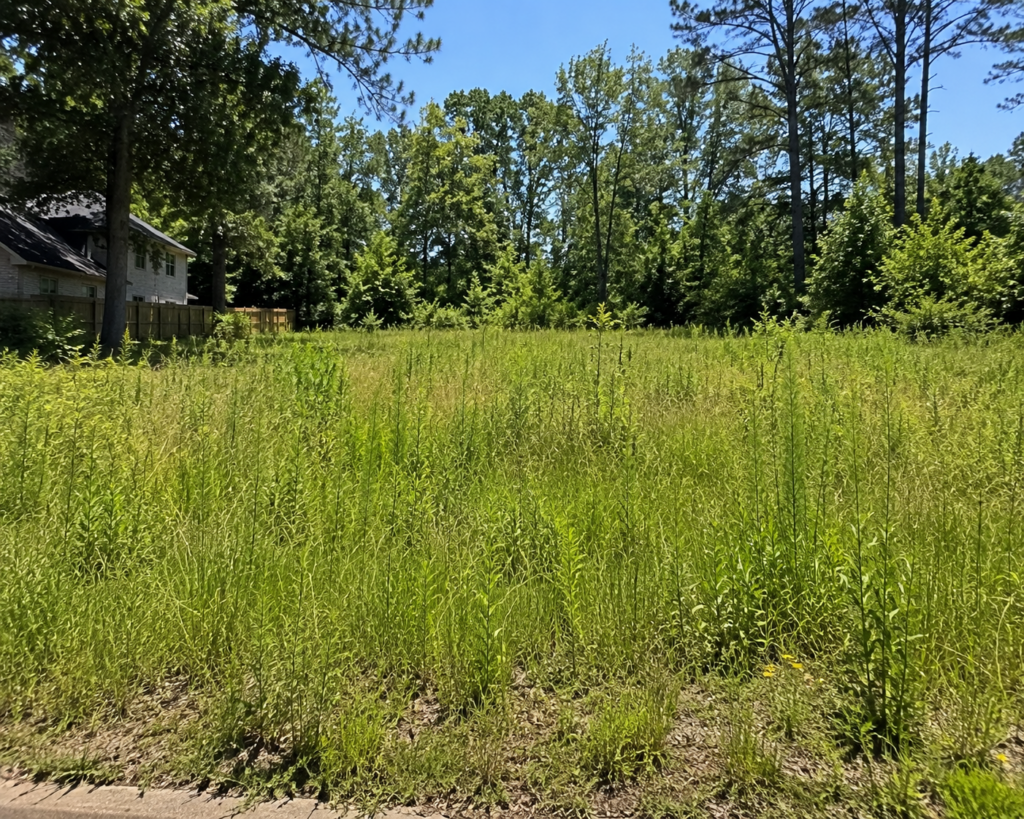
Table of Contents
- The Short Answer Is Yes but It Is More Complicated Than That
- The Four Types of Senior Property Tax Relief
- How Georgia Senior Tax Relief Works for Atlanta Homeowners
- When the Exemption Does Not Apply to Vacant or Inherited Land
- Filing and Deadlines for Fulton and DeKalb Senior Exemptions
- What Happens When Atlanta Land Goes Tax Delinquent
- Realistic Options for Seniors With Unpaid Atlanta Property Taxes
- Putting It All Together for Atlanta Senior Landowners
The Short Answer Is Yes but It Is More Complicated Than That
The popular advice that seniors “stop paying property taxes” is wrong. In the United States, the policy pattern is a patchwork of exemptions, credits, freezes, and deferrals, not a universal age-based waiver, and many places still expect seniors to pay something unless they qualify for a specific local break. One national summary reports 16 states and the District of Columbia offer property tax exemptions for qualifying seniors, while 18 additional states offer tax credits, five offer freezes, and six offer deferral programs. That same summary shows why the right question is usually not “Do seniors pay at all?” but “What relief can they claim, and on which parcel?”
Age alone does not erase the bill
Georgia fits that pattern. A qualifying senior may get a county-level exemption, but that is not the same thing as a full repeal of the tax. Georgia’s common senior relief for county taxes is a $4,000 exemption for homeowners 65 and older who live in the home as their primary residence, which still leaves tax due on value above that amount. The state framework also shows how relief often trims the bill rather than wiping it out.
Practical rule: if the property is not your primary residence, assume the senior break probably doesn’t apply until you verify it with the county.
That’s where Atlanta owners get tripped up. A homestead-style benefit usually follows occupancy, not age by itself, so a vacant lot, inherited tract, or unused parcel can keep generating tax liability even when the owner already gets relief on a house somewhere else. The clean answer is this. Senior citizens do pay property taxes in many cases, but often at a reduced level, and the reduction depends on the property, the county, and the filing status. New York’s senior exemption rules make the same point, because the benefit is tied to residential use, filing, and local options.
The Four Types of Senior Property Tax Relief
Senior relief usually falls into four buckets, and the bill changes in different ways depending on which one you have. If you know the bucket, you can usually predict whether your payment drops a little, drops a lot, or just gets delayed. That matters far more than the label on the program.
What each tool actually does
| Relief Type | What It Changes | Typical Result | Best Fit |
|---|---|---|---|
| Exemption | Reduces taxable value | Lower annual bill | Owners who qualify on age, residency, and income |
| Credit | Reduces tax owed dollar for dollar | Smaller final payment | Seniors whose jurisdiction uses a credit system |
| Freeze | Locks in the taxable value or bill structure | Stops some future increases | Long-time homeowners worried about rising assessments |
| Deferral | Delays payment | Bill is postponed, not erased | Owners who need cash-flow relief and can handle the balance later |
Georgia’s senior homestead framework is a good example of an exemption. A qualifying homeowner 65 and older may get that $4,000 county tax exemption, while Georgia’s floating inflation-proof exemption for homeowners 62 and older with income at or below $30,000 freezes taxation on value increases for state and county taxes but not school taxes or bond debt. The Georgia rules are similar in concept to other states even when the details differ.
Texas shows the structure from another angle. For qualifying residence-homestead owners 65 and older, the state provides an additional $60,000 school-district exemption, and local exemptions can’t be less than $3,000. That framework illustrates the same principle. The senior break can be meaningful, but it often targets a specific taxing unit instead of the whole bill.
Relief changes the tax base more often than it deletes the lien.
That distinction is critical for delinquency. If a homeowner misses a filing, or if the parcel is outside the primary residence category, the tax still exists and can become delinquent. The right move is to identify which tool applies, then check which taxing authorities are still charging the parcel. For Atlanta owners, that’s the difference between a manageable annual bill and a parcel that drifts toward sale.
How Georgia Senior Tax Relief Works for Atlanta Homeowners
Georgia’s senior tax relief is split across exemptions, freezes, and local filing rules, so Atlanta owners cannot treat it like one simple statewide break. Fulton and DeKalb also handle the paperwork on their own schedules, which is why two neighbors with the same age and similar homes can still see different tax bills. The key question is not whether relief exists. It is which taxing unit accepts it, and whether the parcel qualifies as a primary residence.
A homeowner in Atlanta can get relief on the house and still owe the full amount on other parcels. Vacant land, inherited lots, and property that is no longer the owner’s main home often stay outside the senior relief that applies to an occupied residence. That is the point that gets missed most often, and it is why local filing details matter as much as the exemption itself.
The main Georgia paths that matter
The first path most Fulton and DeKalb owners hear about is the $4,000 county property tax exemption for senior homeowners 65 and older who use the property as their primary residence. That reduction usually applies to county taxes, not every charge on the bill, so the notice can still include school-related or other local items depending on the parcel.
The other path is the Floating Inflation-Proof Exemption. Homeowners 62 and older with income at or below $30,000 may qualify for a freeze on taxation of value increases for state and county taxes, but not for school taxes or bond debt. The local assessor still has to place the parcel in the right category, and the relief only works on the portion of the bill the law covers. The Fulton County senior exemption filing guide and DeKalb County’s property tax assessment manual show how those distinctions are handled in practice.
Atlanta owners should also pay attention to school taxes. The county-side freeze can hold down part of the bill while school-related charges keep moving if the parcel’s value rises or the local rules do not extend the same protection. That is why the exemption can lower the tax bill without stopping every increase.
What Fulton and DeKalb owners should verify first
Start with the filing office, not the assumption. Fulton and DeKalb do not treat every parcel the same way, and the owner has to confirm the homestead status, the age or income qualification, and which taxing bodies are included on that parcel. If the home is not the owner’s main residence, senior relief usually stops there.
The practical check is simple:
- Primary residence status: the exemption usually attaches only to the owner’s main home.
- Age or income gate: some relief starts at 62, some at 65, and some require income verification.
- Taxing units covered: county taxes, school taxes, and bond charges do not always receive the same treatment.
Fulton and DeKalb also use their own filing deadlines, so the owner has to file on time with the local assessor instead of assuming the county will apply relief automatically. Missing the local deadline leaves the parcel taxed under the regular schedule, even if the homeowner otherwise qualifies. For Atlanta seniors, that filing step is what turns a legal benefit into an actual reduction on the bill.
When the Exemption Does Not Apply to Vacant or Inherited Land
A lot of senior tax confusion starts with the wrong property. The exemption that helps a primary home usually does nothing for a vacant lot, inherited parcel, or unused tract sitting elsewhere in Atlanta. That’s the trap. An owner sees relief on one property and assumes it carries over to every parcel they own.
A common Atlanta mistake
Take a 72-year-old who inherits a vacant lot in Fulton County and already gets senior relief on a house in another part of the metro area. The lot still gets its own bill. If it isn’t the owner’s primary residence, the senior homestead-style relief that applies to the occupied home generally won’t follow it, so the taxes keep arriving even though the parcel produces no rent and no utility. That’s how good intentions turn into delinquency.

If you inherited land and you’re trying to sort out whether to keep it, sell it, or walk away from the ongoing costs, this Georgia inheritance guide is a useful place to start. The key issue is not sentimental ownership. It’s whether the parcel is carrying taxes, legal exposure, or both.
Why tax delinquency happens fast on unused parcels
Unused land doesn’t generate cash flow, so a tax bill can sit unpaid longer than it should. One missed cycle becomes two. Then the county adds penalties, interest, and collection pressure, and the owner is left with a parcel that still has value on paper but no practical plan attached to it.
My rule on inherited land: if the lot isn’t tied to your home, assume the senior exemption won’t save it unless the county says so in writing.
That’s especially true in Atlanta’s mixed ownership situations, where heirs, long-distance owners, and older sellers often assume the home exemption follows the family name instead of the actual residence. It doesn’t. The county looks at the parcel, the occupancy, and the filing status, not the family story.
Filing and Deadlines for Fulton and DeKalb Senior Exemptions
Even a strong exemption dies on a missed filing. Georgia counties generally expect first-time applications in a narrow window, and if you miss it, the benefit can disappear for that tax year. That’s not bureaucracy for its own sake. It’s how the county decides who is officially on the relief rolls.
Where and how to file
In Fulton County, senior homeowners file through the Board of Assessors. In DeKalb County, the filing path runs through the DeKalb County Tax Assessor’s office. The office names matter less than the paperwork, though, because both counties want proof that the owner qualifies and that the property is the primary residence.
The basic packet usually includes:
- Proof of age to show the owner meets the program threshold
- Proof of income where the exemption uses income limits
- Proof of primary residency to connect the benefit to the occupied home
- Ownership documents if the county needs to confirm title or occupancy
Georgia’s general senior filing rhythm often follows a January 1 to April 1 first-time application window. That window is the kind of deadline that catches people off guard because there’s usually no retroactive recovery for a missed first filing.
Don’t assume the county will fix it later
Miss the deadline and you can lose the benefit for the year, even if you clearly qualify. That’s the brutal part. Counties don’t chase down every eligible senior and they don’t usually backdate relief just because the owner meant to file.
File early, keep copies, and verify receipt. A missing stamp can cost you a year of relief.
For Atlanta owners who want to research an existing bill before filing, this Fulton County property search resource is a practical starting point. The point is not to make the process fancy. It’s to make sure the county has the right parcel, the right owner name, and the right exemption status before the bill turns into a collection problem.
What Happens When Atlanta Land Goes Tax Delinquent
Once the county records the lien, the parcel stops being a simple paperwork problem and becomes a legal one. Georgia’s tax sale process moves in steps, and the owner’s options shrink as those steps pile up. Fulton and DeKalb follow the same basic structure, and it is very different from a mortgage foreclosure because the tax claim attaches to the property itself.

The path from missed bill to auction
First, the tax bill stays unpaid and the balance starts aging. Then the county can record a Fi.Fa. lien, which is the legal step that turns the delinquent taxes into an enforceable claim against the parcel. In Fulton County, that lien is typically recorded within about 60 days of the tax sale, and the recording fee is tied to the county’s filing process. In DeKalb, the county also moves from delinquency into lien recording through its own filing system, so owners should not assume they have months of quiet time once the bill goes unpaid. After that, the county can advertise the property for a tax auction and sell it to a third party.
The video below shows the process in plain language and is useful for anyone trying to see how the steps connect from delinquency to ownership transfer. https://www.youtube.com/embed/0eviEPg0WL8
That does not mean the owner is immediately out. Georgia gives the original owner a redemption window after a tax sale, and that window is the last meaningful chance to reclaim the property by paying what the law requires. The balance is rarely just the old tax bill by then. Penalties, interest, and administrative charges keep building on top of the original amount.
Why seniors get surprised here
Older owners often think a small unpaid balance can be handled “next season.” That is a bad bet. Once the county records the lien and starts the sale process, the parcel stops being a simple paperwork problem and becomes a legal one.
This tax delinquency overview is useful if you want to understand the broader sequence. A delinquent lot can move from missed payment to legal action faster than most owners expect, especially when the parcel is vacant and nobody is watching the mail. If you wait until auction notice shows up, your bargaining power is already thin.
Realistic Options for Seniors With Unpaid Atlanta Property Taxes
A senior with unpaid taxes on Atlanta land doesn’t have a dozen good options. There are a few workable ones, and the right choice depends on whether the parcel is the home, a vacant lot, or inherited land with no clear future. The worst choice is doing nothing and hoping the county forgets.
The practical menu
- Pay the balance directly: If the number is still manageable, paying the county tax office stops the bleed and preserves ownership.
- Redeem after a tax sale: If the parcel has already been sold, redemption may still be available for a time, but the amount due will be higher than the old bill.
- Set up a payment arrangement if offered: This can help on some balances, but it won’t fix a parcel that’s already moving through sale procedures.
- Transfer the land to family or charity: This works only if the recipient wants the land and accepts the tax responsibility.
- Sell the parcel for cash: This is often the cleanest answer for vacant or inherited land with no emotional or income use.
If the lot has no personal use and no rental plan, selling is usually smarter than carrying tax risk year after year.
One local option is Atlanta Landbuyers, which buys vacant, inherited, and tax-delinquent land for cash and coordinates payoff of recorded taxes and liens at closing. That approach fits owners who want out of the parcel without listing it, making repairs, or dragging a tax problem through another season.
The point isn’t that every owner should sell. It’s that a tax-delinquent lot in Fulton or DeKalb is a liability first and an asset second. If the parcel is vacant, inherited, or hard to manage, a direct sale can stop additional tax exposure and clear the path without making the owner negotiate with multiple offices. For seniors who want a simple exit, that’s often the most realistic move.
Putting It All Together for Atlanta Senior Landowners
Here’s the clean decision framework. If the property is your primary residence, check whether you qualify for Georgia’s senior exemption or freeze, then file on time and confirm the county got your paperwork. If the property is vacant, inherited, or not your main home, assume the exemption probably doesn’t apply until the county proves otherwise. If the parcel is already delinquent, act fast because once a Fi.Fa. lien and auction process start, the cost and risk climb quickly.
The most common Atlanta mistake is mixing up age with automatic relief. Age helps, but it doesn’t erase the tax bill. Occupancy, income, ownership, and filing status are what matter, and those rules are exactly where Fulton and DeKalb owners get caught.
FAQ
Do senior citizens in Atlanta still owe property taxes if they have a homestead exemption?
Yes, often they do. The exemption usually reduces part of the bill, it doesn’t guarantee a full wipeout.
Can a senior lose a homestead property to a tax sale?
Yes. If the taxes stay unpaid long enough, the county can move the parcel into the delinquency and sale process.
What should I gather before contacting a tax-delinquent land buyer?
Bring the deed, the most recent tax bill, any delinquency notices, and proof of who owns the parcel now.
If you’re staring at a bill on vacant or inherited Atlanta land and you don’t want it to turn into a tax sale, contact Atlanta Landbuyers now, get the county, lien, and title situation checked, and decide whether a cash sale makes more sense than carrying the parcel another year.
Ready To Sell Your Land? Start Here…
We are direct land buyers. There are no commissions or fees and no obligation whatsoever. Start below by sharing where your property is and where we can send your offer…
"*" indicates required fields