Every few months, a viral video resurfaces claiming you can still “homestead” free land in America the way pioneers did in the 1800s. It’s a great story — but it isn’t how things work anymore. The Homestead Act was repealed by the Federal Land Policy and Management Act (FLPMA) of 1976, and today there is no federal program that hands out land simply because you’re willing to live on it.
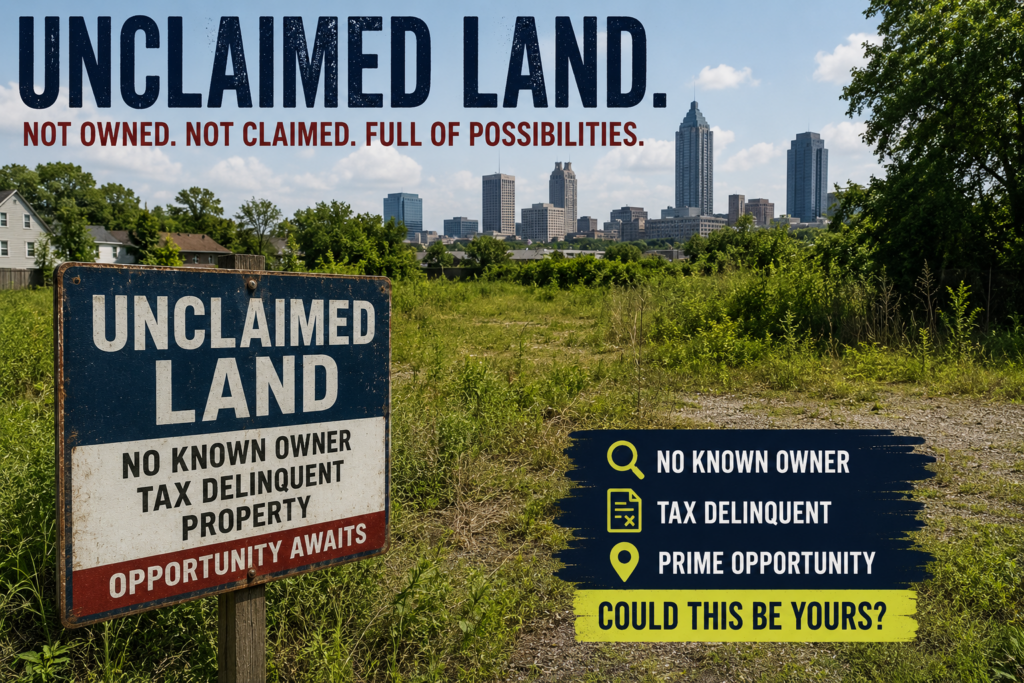
That doesn’t mean opportunity has dried up. In 2026, “unclaimed land” really refers to a handful of legitimate categories: surplus federal parcels the Bureau of Land Management (BLM) has approved for sale, tax-delinquent county parcels sold at auction, heirship land tied up in probate, and undervalued rural acreage that simply hasn’t found the right buyer yet. If you know where to look — and how to vet what you find — you can still pick up land well below typical market value. This guide walks through exactly how to do that, and where sites like unclaimed.org fit into the process if you’d rather skip the legwork entirely.
1. What “Unclaimed Land” Actually Means in 2026
The Homestead Myth vs. Today’s Reality
The original Homestead Act of 1862 let settlers claim up to 160 acres of public land for free, provided they lived on and improved it for five years. That program — and every disposal law like it — was formally repealed by FLPMA in 1976. Since then, federal policy has flipped: public land is supposed to stay in public ownership unless it meets narrow criteria for sale. So when people search for “free unclaimed land,” they’re usually chasing a program that no longer exists.
What does exist is a controlled, planned process for releasing small amounts of surplus land back into private hands. It’s slower and more bureaucratic than the old homesteading days, but it’s real, and it’s still worth pursuing if you’re patient.
The Categories of Land Still Available
In practice, “unclaimed” or overlooked land in the U.S. today falls into a few buckets:
- BLM surplus parcels identified for disposal through official land-use planning
- Tax-delinquent parcels counties sell at auction after owners stop paying property taxes
- Heirship or probate land left behind with no clear claimant actively managing it
- Distressed or forgotten rural acreage that owners are simply ready to be rid of
Each category has its own process, timeline, and level of risk, which we’ll break down below.
2. How to Search for BLM Land for Sale
Using the BLM’s Lands Potentially Available for Disposal Tool
Under FLPMA, the BLM can only sell a tract if it meets one of three criteria: the parcel is an isolated, hard-to-manage tract; it was acquired for a purpose that no longer applies; or selling it serves a clear public benefit, such as community expansion. Because of this, the BLM maintains a public-facing “Lands Potentially Available for Disposal” mapping tool that lets you search current resource management plans by state or field office to see which tracts are flagged for possible sale. This is the single best starting point for anyone serious about finding legitimate federal surplus land, and it’s free to use.
Keep expectations realistic: most flagged parcels are small, remote, and have limited agricultural or development potential. Before any sale actually happens, the BLM must complete environmental review, public notice, and a formal appraisal — a process that can take months or years even after a tract shows up as “available.”
Contacting Your Local BLM Field Office
Not everything makes it onto the online disposal maps promptly, so it still pays to call. Reach out to the BLM field office covering your state (or the nearest one, if your state has no BLM presence) and ask directly whether any parcels are queued for sale or exchange in your area of interest. Field office staff can also tell you about upcoming public auctions, which are typically announced through the Federal Register and local newspapers before bidding opens.
If you’re weighing a BLM purchase against buying land privately, it helps to understand the full cost picture first — this guide to financing vacant land breaks down loan options, cash purchases, and what lenders look for when the land has no existing structures.
3. County Tax-Delinquent and Tax Deed Land Sales
Finding Tax Deed Auctions Near You
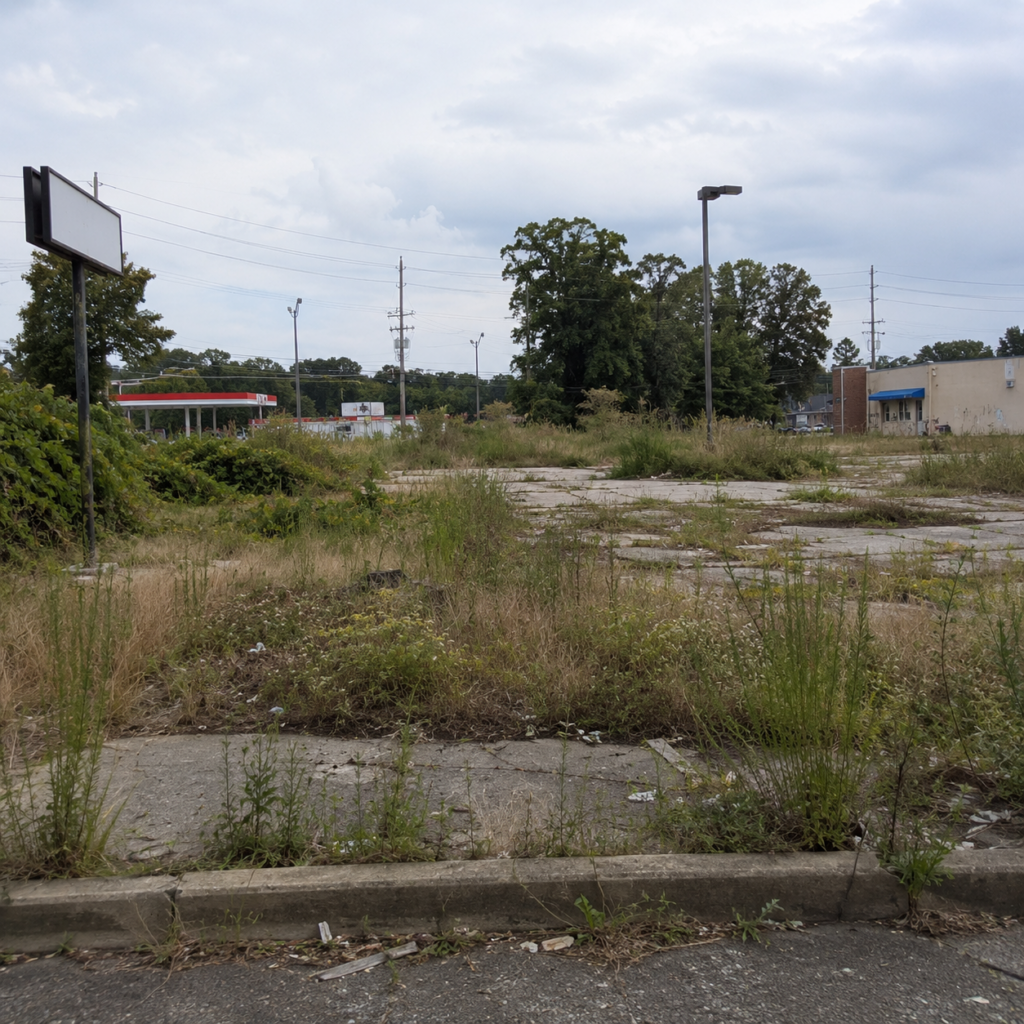
When a landowner stops paying property taxes, the county eventually forecloses and resells the parcel to recover what’s owed. These tax deed (or tax lien, depending on the state) auctions are one of the most consistent sources of underpriced land in the country, and they happen year-round in nearly every county. Most counties now list upcoming sales on their treasurer or tax assessor website, and several third-party platforms aggregate tax auction listings by state so you don’t have to check every county individually.
The catch: tax deed land is sold “as-is,” often without a walkthrough, and can come with back liens, easement issues, or access problems that aren’t obvious from a listing photo. Winning bidders are expected to do their own due diligence before the gavel falls, not after.
Land Banks and Foreclosure Reclamation Programs
Many cities and counties — especially in the Midwest and Rust Belt — operate land banks that acquire vacant, abandoned, or tax-foreclosed properties and resell them to the public, often at steep discounts, in exchange for a commitment to develop or maintain the property. These programs exist specifically to get unused land back into productive use, which makes them a good, underused option for buyers willing to do a little renovation or land improvement work. A quick search for “[your county] land bank” or “[your city] land reutilization program” will tell you if one operates near you.
4. Other Ways to Find Overlooked or Undervalued Land
Unclaimed Property Databases and Heirship Land
“Unclaimed” doesn’t only mean government-owned. When a landowner dies without a clear will or an engaged heir, the parcel can sit in limbo for years — taxes technically still owed, but no one actively managing or selling it. State unclaimed property databases (searchable through your state treasurer’s office or the national MissingMoney.com portal) occasionally surface cash tied to abandoned real estate, such as unclaimed proceeds from a prior tax sale, which can point you toward parcels worth investigating further. Probate records and county recorder offices are also useful for identifying heirship land where the current owner of record may be open to a quick, low-hassle sale.
Working With a Land Buyer or Land Specialist
If chasing auctions and BLM planning maps sounds like more time than you have, working with an established land-buying company is often the faster path — either to purchase land directly from their inventory or to sell surplus land you’ve already acquired. If you already own a vacant or inherited parcel you’re not using, it may be easier (and faster) to convert it to cash than to keep managing it. Our page on how to sell your land fast walks through how a direct sale works, what to expect for a cash offer, and how it compares to listing with an agent.
5. What to Do Before You Buy “Unclaimed” or Surplus Land
Verifying Title and Boundaries
Whether you’re buying from the BLM, a county auction, or a private heirship sale, never skip a title search. Tax deed and surplus land sales in particular can carry old liens, unresolved back taxes, or boundary disputes that a standard listing won’t disclose. A title company or real estate attorney can confirm the seller has a clear, transferable right to the land before you commit any money. Pair that with a current survey or plat map — legal descriptions in older deeds are notorious for being vague, especially in rural counties.
Understanding Zoning, Access, and Utilities
Cheap land is only a good deal if you can actually use it. Before buying, confirm the parcel’s zoning designation, whether it has legal road access (some remote BLM and tax-sale parcels are landlocked), and what it would take to bring in power, water, or septic if you plan to build. These details vary enormously by county and can turn a bargain price into an expensive project. If you’re still comparing land types and locations, browsing available listings and pricing on Land.com is a good way to benchmark what “cheap” actually looks like in your target area before you bid on anything.
Frequently Asked Questions
Is there still free land available in the United States in 2026? Not through any federal homesteading program — those were repealed in 1976. A very small number of towns, mostly in rural areas facing population decline, have run local “free land” incentive programs to attract new residents, but these are rare, come with strict building requirements, and aren’t a nationwide option.
What’s the easiest way to find BLM land for sale near me? Start with the BLM’s online Lands Potentially Available for Disposal tool, then follow up with a phone call to your regional field office. Combining both gives you the most current picture, since not every parcel status update appears online immediately.
Is buying land at a tax deed auction risky? It can be. You’re typically buying “as-is” without inspection guarantees, and the parcel may carry existing liens, access issues, or title defects. Always run a title search and check zoning and access before bidding, not after you win.
Can I really buy usable land for a few hundred dollars? Yes, in some cases — particularly in remote counties with low demand. But low price often reflects real limitations: no road access, no utilities, or restrictive zoning. Factor in those costs before assuming a cheap parcel is a good deal.
What’s the fastest way to buy or sell land without going through auctions? Working directly with a land-buying company like webuyland1.com skips the auction timeline and paperwork uncertainty. You can browse land for sale or request a cash offer on land you already own without waiting on a county sale calendar.
Do I need a lawyer to buy surplus or unclaimed land? It’s not always required, but it’s strongly recommended for tax deed, probate, or heirship purchases, where title issues are more common. A real estate attorney or title company can confirm you’re getting clean, transferable ownership before you close.
Ready To Sell Your Land? Start Here…
We are direct land buyers. There are no commissions or fees and no obligation whatsoever. Start below by sharing where your property is and where we can send your offer…
"*" indicates required fields