What actually happens if you abandon a house in Georgia, and the options homeowners have before it comes to that.
If you’ve been asking yourself, “can I just walk away from my house,” you’re dealing with a problem that feels bigger than the property itself. Maybe the taxes are delinquent and climbing every month. Maybe the county has flagged the house for code violations you can’t afford to fix. Maybe you inherited a property that turned out to be more burden than blessing. Whatever the reason, the idea of simply locking the door and never looking back can feel like the only realistic option left.
The honest answer is that you can walk away, but doing so rarely solves the underlying problem, and it can create new ones that follow you for years. This guide breaks down what actually happens when a Georgia homeowner walks away from a property, why so many people reach that breaking point in the first place, and what better options exist before you get there.
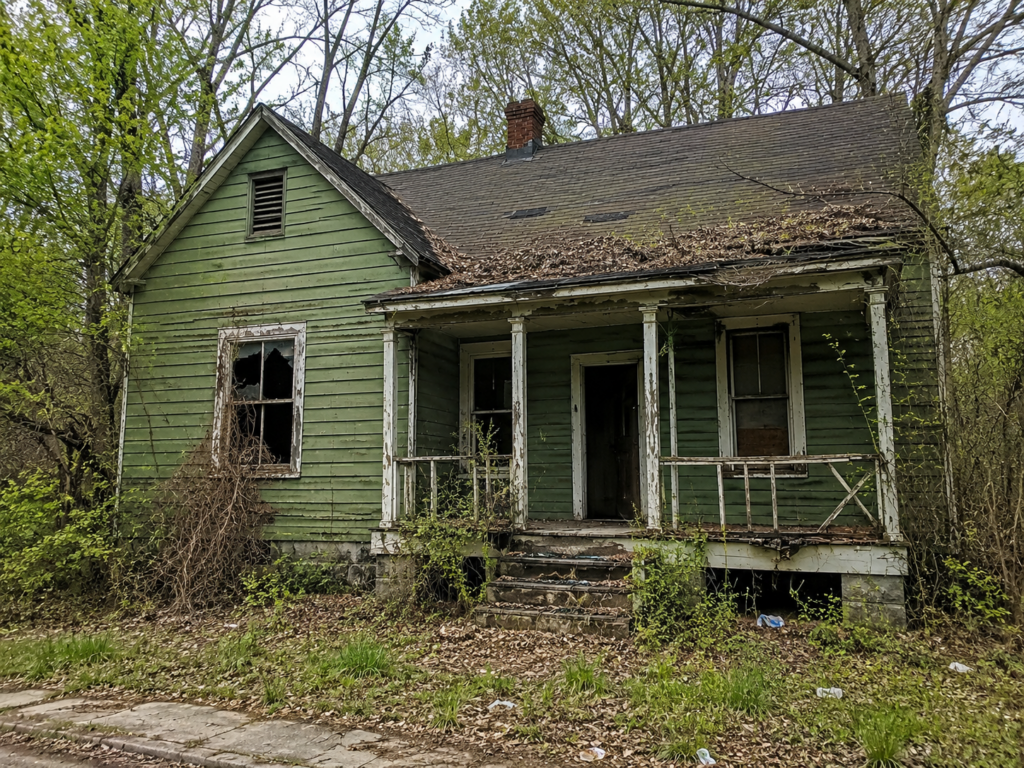
Why Georgia Homeowners Ask “Can I Just Walk Away From My House?”
This question tends to come from a specific set of situations, and Georgia homeowners across Fulton County and the wider Atlanta metro run into these constantly.
Delinquent Property Taxes That Keep Piling Up
Property taxes in Georgia don’t pause because a homeowner is struggling. Once a payment is missed, interest begins accruing monthly, and the balance grows quietly in the background. For homeowners already stretched thin, watching that number climb year after year makes walking away feel like the path of least resistance, even though the tax debt itself doesn’t disappear when the owner does.
Code Violations and Fines You Can’t Keep Up With
A single code enforcement notice, whether for an unsafe structure, an unpermitted addition, overgrown vegetation, or general property maintenance, can spiral into daily fines if it isn’t resolved. For an owner who can’t afford repairs or doesn’t have time to navigate a hearing process, those fines pile up fast and make the property feel like a liability rather than an asset.
The Real Cost of Walking Away From a House
Simply leaving a property behind doesn’t erase the paperwork attached to it. Your name typically stays on the deed and the tax roll until the property is formally sold, foreclosed, or otherwise transferred, which means the consequences of walking away tend to follow the owner rather than stay with the house.
What Happens to Delinquent Taxes If You Walk Away
If property taxes go unpaid long enough, the county doesn’t simply write off the balance. Interest and penalties continue to accrue, and eventually the county can pursue collection through a tax execution or a courthouse-steps auction. In the meantime, the debt remains tied to your name and the parcel, which can affect your credit and complicate any future attempt to sell or transfer the property.
Liens, Fi.Fa.s, and Tax Sales in Georgia
Georgia counties use a legal tool called a Fi.Fa., or tax execution, to formally record a debt against a property’s title once taxes go unresolved. Once a Fi.Fa. is recorded, it becomes part of the public record and can lead to a tax sale if the balance still isn’t paid. Walking away doesn’t stop this process. It just means the owner isn’t around to manage it as it unfolds.
Too Many Repairs, Too Little Time or Money
Repairs are one of the most common reasons homeowners consider walking away entirely. A house that needs a new roof, foundation work, updated plumbing, or extensive cosmetic repairs can feel impossible to keep up with, especially without cash on hand or the time to manage contractors.
Neglected Homes and Deferred Maintenance
Deferred maintenance compounds over time. A small roof leak becomes water damage, a minor foundation crack becomes a structural issue, and a house that could have been sold with modest updates a few years ago becomes one that scares off traditional buyers entirely. Neglect isn’t usually intentional. It’s what happens when an owner runs out of time, money, or both.
When Repair Costs Exceed the Home’s Value
In some cases, the cost of bringing a property up to a sellable condition genuinely exceeds what the home would be worth once finished, particularly in areas where comparable homes are older or smaller. When the math doesn’t work, owners understandably start looking for a way out that doesn’t involve spending more money on a property they no longer want.
Inheriting a House That Feels Like a Liability, Not an Asset
Inheriting a house is supposed to be a gift, but it doesn’t always feel that way. Many Georgia families inherit a property only to discover it comes with back taxes, code violations, deferred repairs, or a title tangled up in probate, turning what should have been an asset into an unexpected financial obligation.
Inheriting Property With Back Taxes Attached
It’s common for an inherited home to carry years of unpaid property taxes, especially if the previous owner was elderly, ill, or otherwise unable to keep up with payments before passing away. Heirs are often surprised to learn they’ve inherited a tax bill along with the property, and that bill continues accruing interest whether or not anyone occupies the home.
Probate, Title Issues, and Vacant Inherited Homes
Inherited homes frequently sit vacant while families sort out probate, which can take months or longer depending on the estate. During that time, the house continues accumulating property taxes, and an empty home is also more likely to attract code enforcement attention or deteriorate from simple lack of upkeep. Families in this situation often ask the same question: is it easier to just walk away than deal with probate, taxes, and repairs all at once?
Multiple heirs can complicate the decision even further. When siblings or extended family members inherit a property jointly, disagreement over whether to keep, repair, or sell the home can stall any decision for months while taxes and maintenance costs continue in the background. In many of these cases, selling the property directly and dividing the proceeds turns out to be far simpler than any of the alternatives, particularly when no single heir wants to take on the taxes, repairs, or day-to-day responsibility of managing the property alone.

You Don’t Have to Just Walk Away — Better Options in Georgia
The good news is that walking away isn’t actually the only option, even in the exact situations described above. Selling directly, even a property with delinquent taxes, code violations, or years of neglect, is almost always possible and typically resolves the underlying debt instead of leaving it behind for you to deal with later.
Selling As-Is for Cash
An as-is cash sale means you don’t have to make repairs, clean out the property, or resolve code violations before selling. If back taxes are the issue, a direct buyer can factor the payoff into the offer and settle it at closing, which is exactly the kind of situation webuyland1.com specializes in for homeowners across Fulton County.
How the Process Works With Atlanta LandBuyers
Atlanta LandBuyers works with homeowners dealing with delinquent property taxes, inherited property, and homes that need more repairs than an owner can manage. You can reach out through the site’s sell my land fast page or contact the team directly to describe your situation. Most sellers get a fair cash offer within a day or two, and if you accept, taxes and other outstanding costs are settled directly at closing.
If your property is anywhere in Fulton County, including neighborhoods throughout Atlanta or communities like South Fulton, you can learn more about how the process works by visiting webuyland1.com and requesting a no-obligation cash offer.
Foreclosure, Abandonment, and What Actually Happens Legally
Homeowners sometimes assume that walking away from a house works the same way as walking away from a car lease or a rental agreement, where the keys go back and the obligation ends. Real property in Georgia doesn’t work that way, and understanding the actual legal process helps explain why walking away rarely provides the clean break people are hoping for.
Does the Bank Just Take the House Back?
If there’s still a mortgage on the property, walking away doesn’t automatically transfer ownership to the lender. The home typically has to go through a foreclosure process, which can take months, and until that process is complete, the original owner’s name often remains attached to the property, along with any taxes, HOA dues, or code violations that accrue in the meantime. Even after foreclosure, a deficiency balance or damage to credit can follow the former owner for years.
Abandoned Property and Liability Risks
A vacant, abandoned house also creates liability exposure. If someone is injured on the property, whether a trespasser, a curious neighbor, or a code enforcement officer conducting an inspection, the legal owner on record can potentially be held responsible. Abandoned homes are also more likely to be vandalized, used by squatters, or cited for code violations, all of which can add cost and legal complexity rather than removing it.
Insurance is another factor owners tend to overlook. Most homeowner’s policies require the property to be occupied or actively maintained, and a vacant home left unattended for an extended period can void coverage entirely. That means if a pipe bursts, a fire starts, or storm damage occurs after the home has been abandoned, there may be no insurance payout to help offset the loss, leaving the owner on the hook for repairs, cleanup, or even demolition costs on top of the taxes and violations already accumulating.
Fulton County Resources for Georgia Homeowners
Before deciding whether to walk away or sell, it can help to understand exactly what’s owed and what’s on record for your property. These Fulton County resources are useful starting points.
Fulton County Tax Commissioner — check your current property tax balance and payment history.
Fulton County Board of Assessors — review your property’s assessed value and tax records.
City of Atlanta Code Compliance and Inspections — check for any open code violations tied to the property.
Fulton County Probate Court — helpful if you inherited the home and need estate or guardianship information.
Fulton County Government — general county services and department directory.
Get a Cash Offer Instead of Walking Away
Walking away from a house in Georgia might feel like the simplest option, but it rarely closes the door on delinquent taxes, code violations, or the paperwork tied to your name. Selling directly, even a property with back taxes, repairs, or an inheritance you never asked for, is almost always a faster and cleaner path forward. Atlanta LandBuyers buys houses and land throughout Fulton County in any condition, with no fees, no commissions, and no obligation.
If you’ve been asking yourself “can I just walk away from my house,” reach out to webuyland1.com for a no-obligation cash offer before you make that decision. Whether the issue is back taxes, code violations, too many repairs, neglect, or an inherited property that feels more like a liability than an asset, there’s a straightforward way to sell as-is and walk away with cash instead of a lingering debt.
Ready To Sell Your Land? Start Here…
We are direct land buyers. There are no commissions or fees and no obligation whatsoever. Start below by sharing where your property is and where we can send your offer…
"*" indicates required fields